Robert Ferguson Observatory
The Robert Ferguson Observatory sits inside Sugarloaf Ridge State Park near the group campground and is run by the nonprofit Valley of the Moon Observatory Association, not by the park. It opens to the public on select weekends through the year for night-sky and solar viewing, and its newest telescope is a 40-inch instrument. Night viewing has a per-person fee at the door; schedules and tickets are on rfo.org.
The Observatory at a Glance
Who Runs It
The observatory is a separate organization from the park operator. The Valley of the Moon Observatory Association, a nonprofit, provides the astronomy programs, while the Sonoma Ecology Center runs the rest of Sugarloaf Ridge State Park. For anything about viewing nights, classes, tickets or renting the observatory, go to the observatory directly at rfo.org or 707-833-6979.
State Parks' brochure says the observatory is named after a Sonoma County amateur astronomer.
Why It's Here
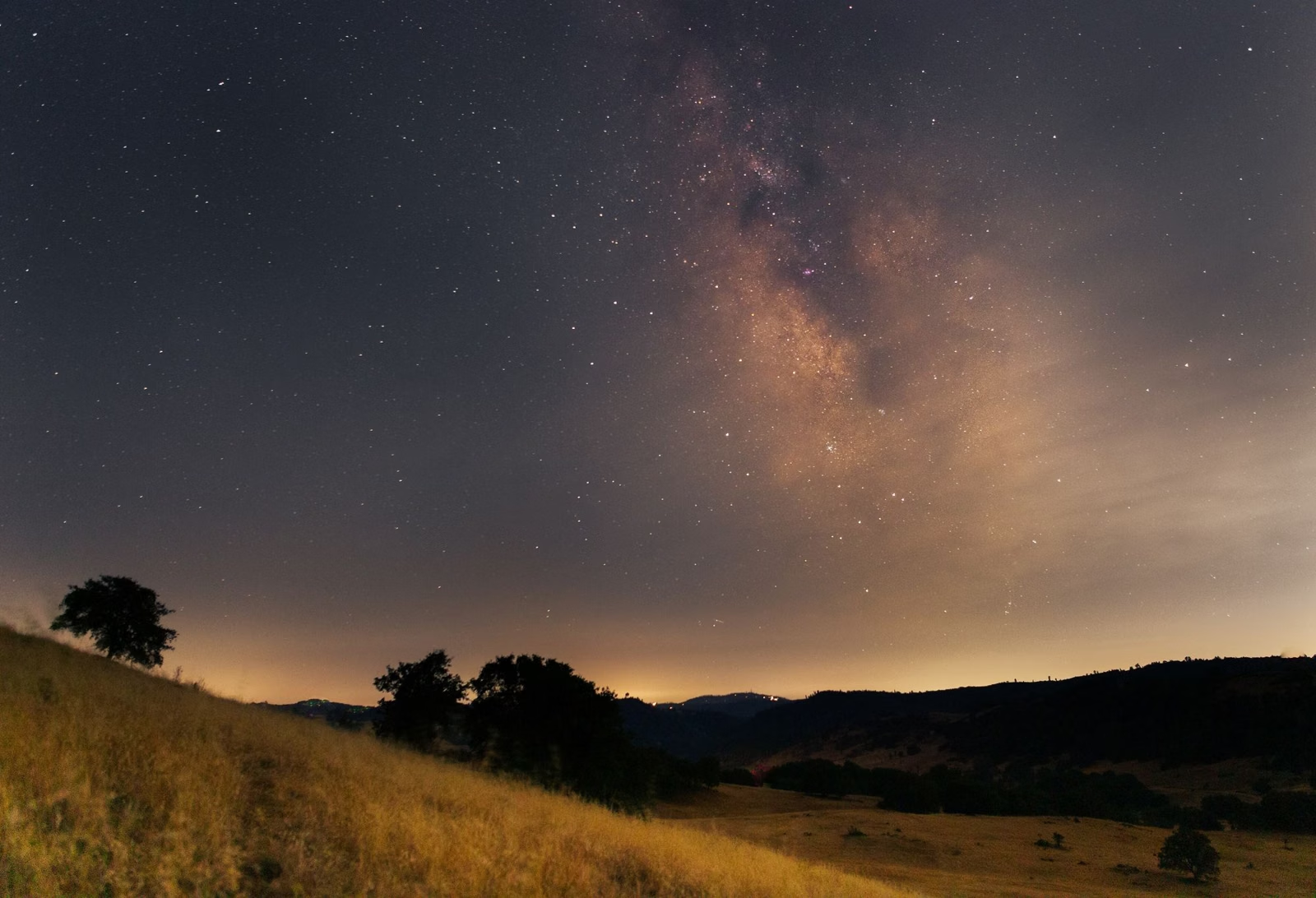
Sugarloaf Ridge has a dark night sky. The observatory sits in a ring of hills that blocks much of the light from nearby cities, which is why the park calls it a good place for stargazing. The park's operator describes it as Northern California's most active public observatory and the largest observatory in the western United States dedicated entirely to public viewing and education.
Public Viewing
- Night viewing on select weekends through the year, with a per-person fee paid at the door.
- Solar viewing in the daytime, also on select weekends. The park's events calendar listed a solar observing session on November 7, 2026.
- Classes on the night sky, telescope making and more.
- Private events: the observatory can be rented for your own star party.
State Parks notes that program fees vary and some programs are free once you have paid the park's day-use fee (fees). Check rfo.org for the current calendar before you drive up; viewing depends on the schedule and the weather.
The Telescopes
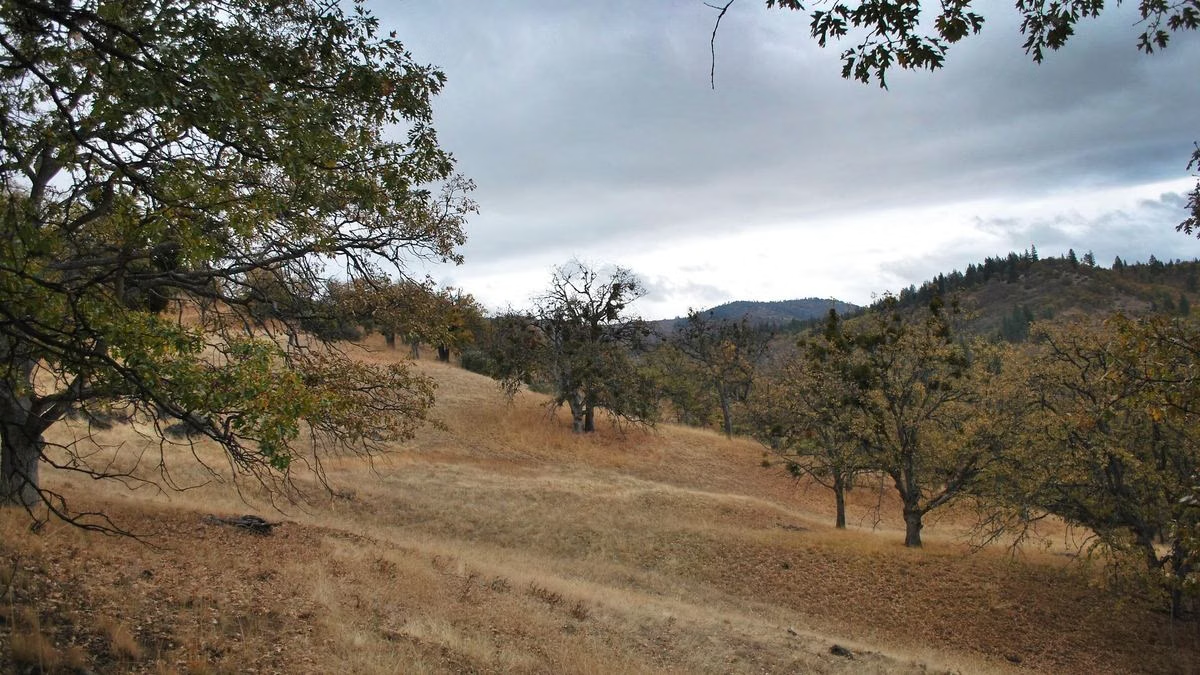
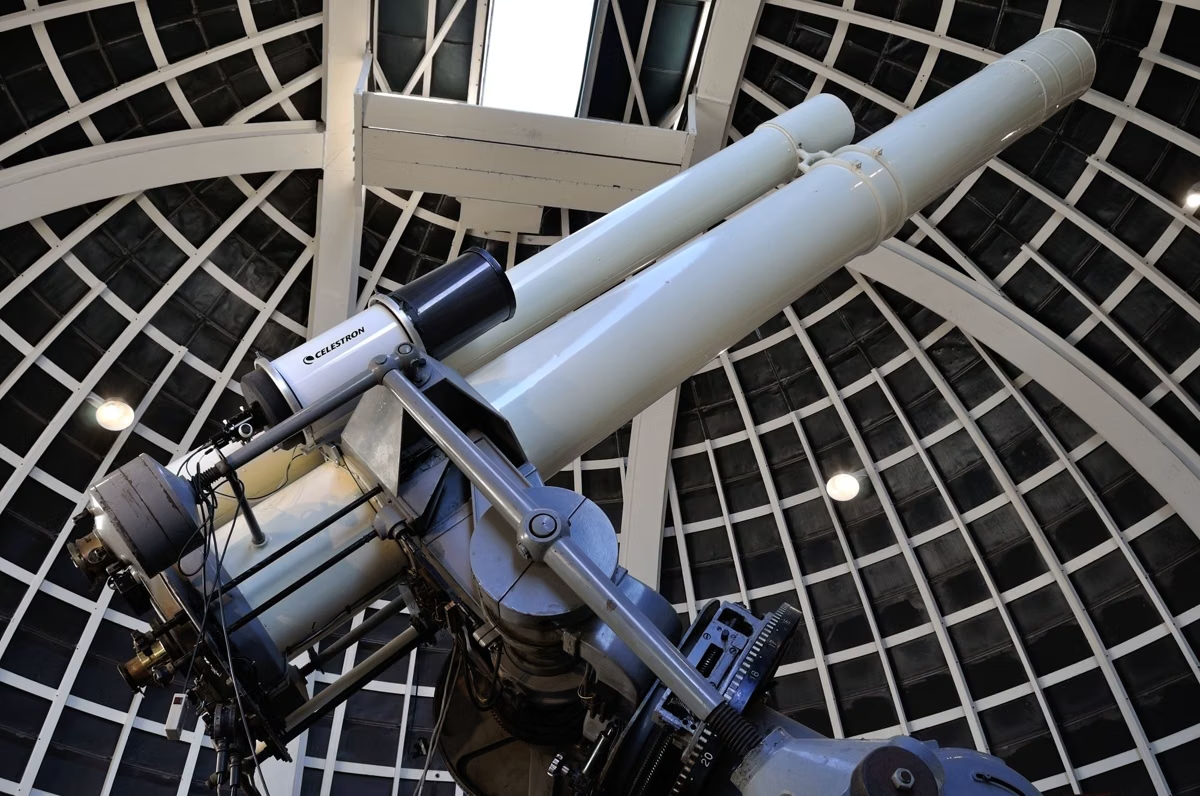
State Parks lists three telescopes plus the New Generation 40-inch Telescope Project, which it says will be one of the largest telescopes dedicated to public viewing. The operator's stargazing page says the 40-inch telescope has now been installed.
The Planet Walk
The Planet Walk starts at the Sun, a sign in the southeast corner of the observatory parking lot, and lays the solar system out along the Meadow Trail at a scale of more than 2.36 billion to one. State Parks' brochure says each step equals nearly a million miles and the full walk takes half an hour to two hours. The easy version, Sun to Saturn, is 2.2 miles; all the way to Pluto is 5.3 miles (hiking).
Accessibility
The operator says the observatory's rooms, restrooms and route to the telescopes are accessible, though eyepieces may not suit everyone, and recommends calling ahead at 707-833-6979. An accessible parking space is next to the observatory, on hard-packed gravel that can occasionally loosen.
Tips for a Night Visit
- Pay the park fee. You still need day use or a pass to park (hours and fees).
- Dress warmly. The park sits in the hills, and State Parks says summer evenings cool to the 40s and winter lows can drop into the 20s (weather).
- Camp nearby. The observatory is near the group campground, and the family campground is in the same park (camping).
Robert Ferguson Observatory FAQ
Who runs the Robert Ferguson Observatory?
The nonprofit Valley of the Moon Observatory Association. It is a separate organization from the Sonoma Ecology Center, which runs Sugarloaf Ridge State Park.
How do I get tickets for the Robert Ferguson Observatory?
Through the observatory's website, rfo.org, which links to its ticketing page. Per-person fees for night viewing are charged at the door.
Is the Robert Ferguson Observatory free?
Not usually. Night viewing has a per-person fee, though State Parks says some programs are free with the park's day-use fee. You also need to pay day use or show a pass to park.
When is the Robert Ferguson Observatory open?
On select weekends through the year, for both night and solar viewing. The current schedule is on rfo.org.
How big is the telescope at Sugarloaf Ridge?
The newest telescope is 40 inches, one of the largest dedicated to public viewing. The observatory has several other telescopes too.
Facts checked against the California State Parks page for Sugarloaf Ridge State Park on October 24, 2026.